
Programmes
Events
Get a good impression of what your study programme will look like.
No two students follow the same programme. That's not a coincidence, it's the idea. At Applied Science, you start broad, discover what you're good at and what you enjoy, and build your own profile from there. Here you can read what those four years look like.
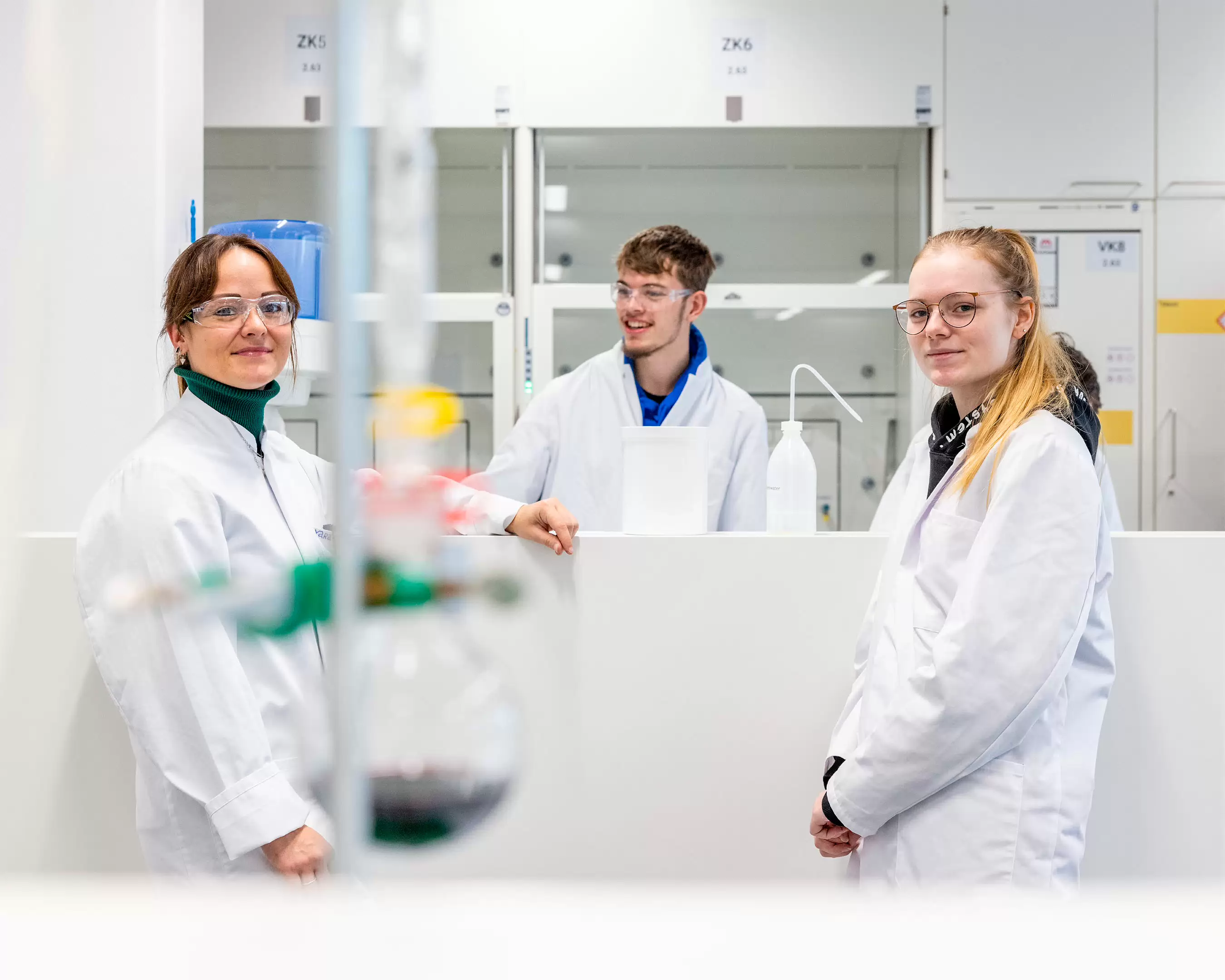
Lectures, seminars, lab work and projects alternate throughout the week. You don't just learn from books.
You study in a small group, with lecturers who truly know you. You work every week in well-equipped laboratories on the campus in Brainport Eindhoven. One place for both theory and practice.
From four theme modules, you choose three that suit you. That's how you specialise step by step.
Years 1 and 2 focus on exploring and broadening: a foundation module, followed by three theme modules of your choice. In year 3, you use your elective space: you follow a minor, do an internship or start a pre-master's for a postgraduate degree. You also carry out in-depth research through an expert module. In year 4, you complete a final-year project of ten months at a company, research institute or hospital of your choice. Hold a pre-university diploma? Then you may be able to start in February and complete the programme in 3.5 years.
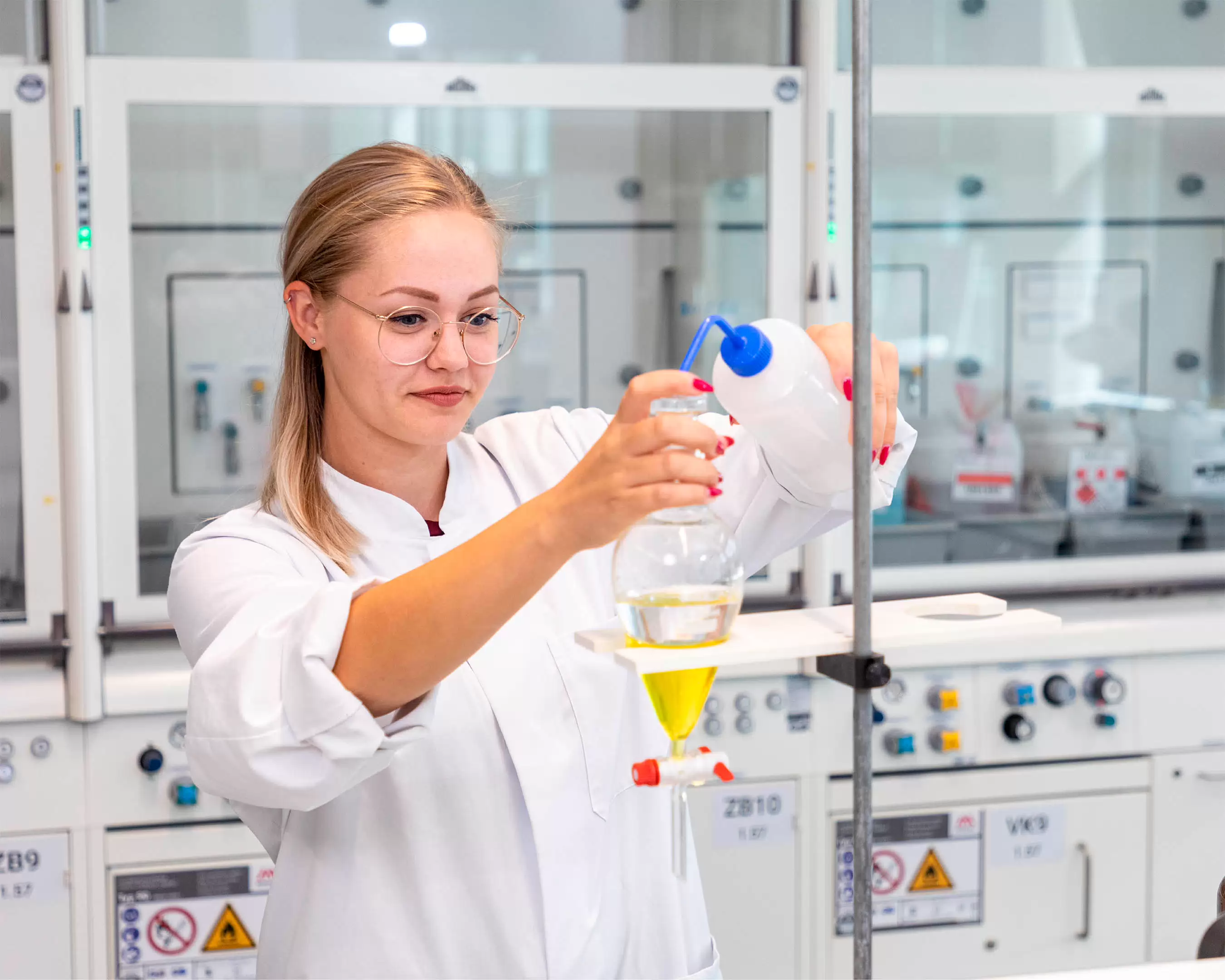
In your first half-year, you build a broad foundation in chemistry, biology and technology, supplemented with mathematics and statistics. You also learn the lab skills you will need throughout your studies: safe working with chemicals and micro-organisms, measuring and analysing.
In the second half of the year, you choose your first theme module. Each module lasts twenty weeks and combines theory, lab work and a multidisciplinary project. You choose from:
Explore thermodynamics, electrochemistry and work on challenges in renewable energy.
Dive into the world of polymers and plastics. Synthesise, analyse and test materials in the lab.
Learn how to remove contaminants from water and contribute to clean water for the future.
Get to work making, testing and analysing medicines. How do they work in the body?
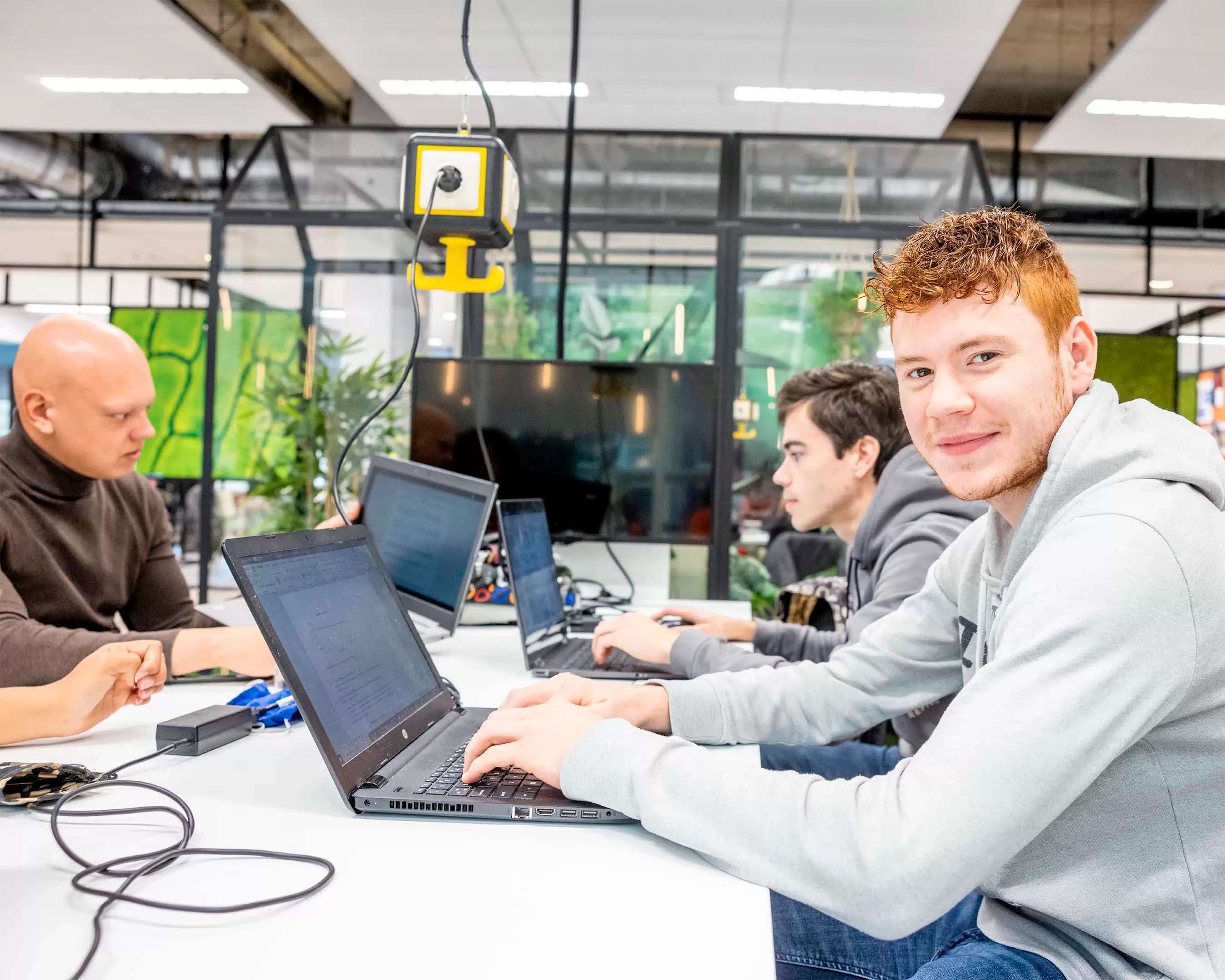
In your second year, you choose two more theme modules from the four on offer. You work with fellow students on multidisciplinary projects. Think hydrogen production, molecular diagnostics, plastic recycling or developing and analysing medicines. Read an in-depth overview and student experiences for all four modules on the theme modules page.
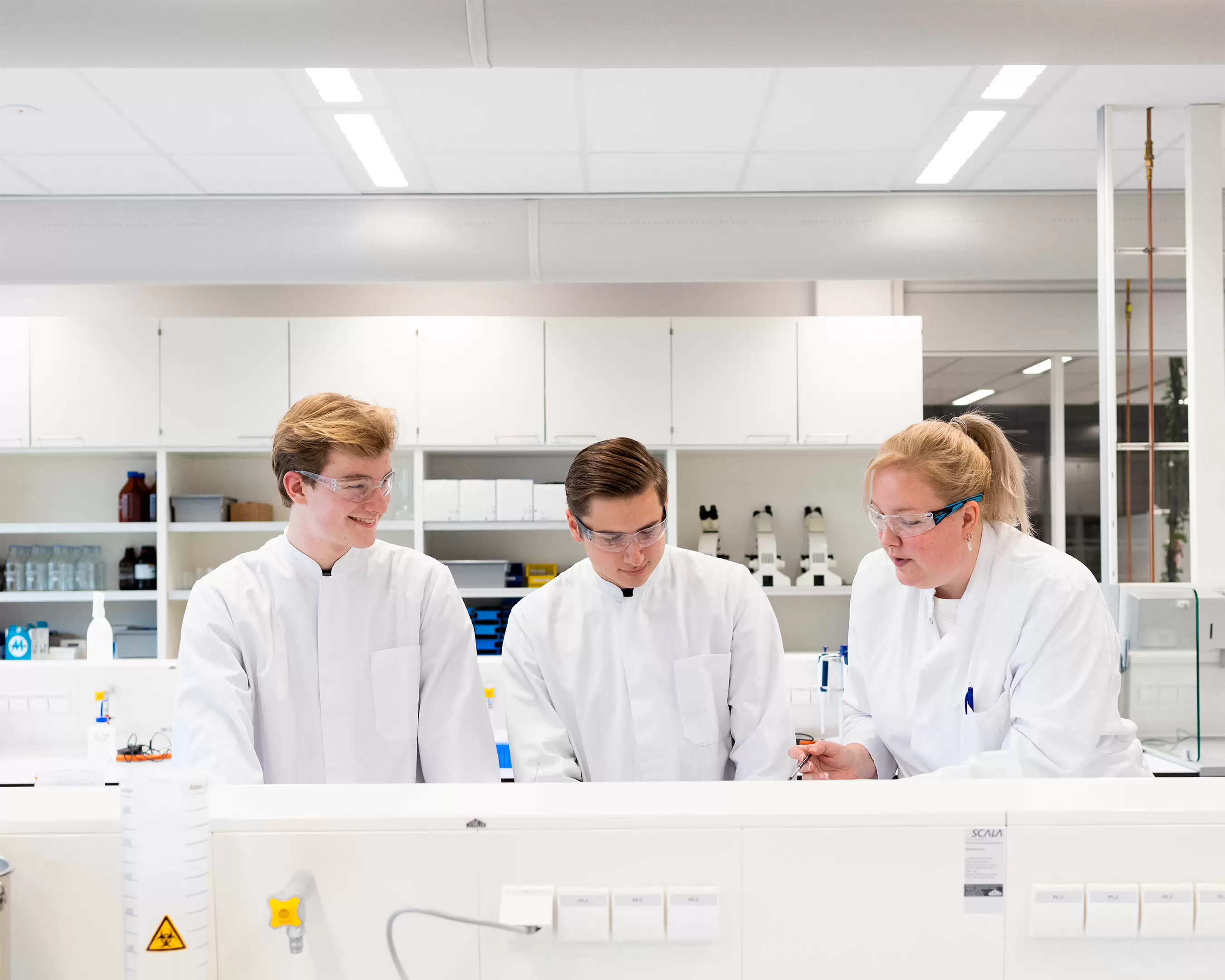
In the first half of year 3, you use your elective space. You can follow a minor, such as the minor Applied Biomedical Sciences and Engineering, the minor Applied Technologies in Semiconductors, another minor at Fontys or at an (international) institution. You can also use this time to do an internship or start a pre-master's for a postgraduate degree. Working on a multidisciplinary project with students from other programmes is another option.
In the second half of the year, you take part in applied research into current challenges. In areas such as medical diagnostics, sustainable materials or water quality. You do this through an expert module linked to one of our research groups: the Molecular Technologies for One Health research group or the Sustainable Materials & Processes research group. You work alongside lecturers, fellow students and partners from industry on real-world problems.
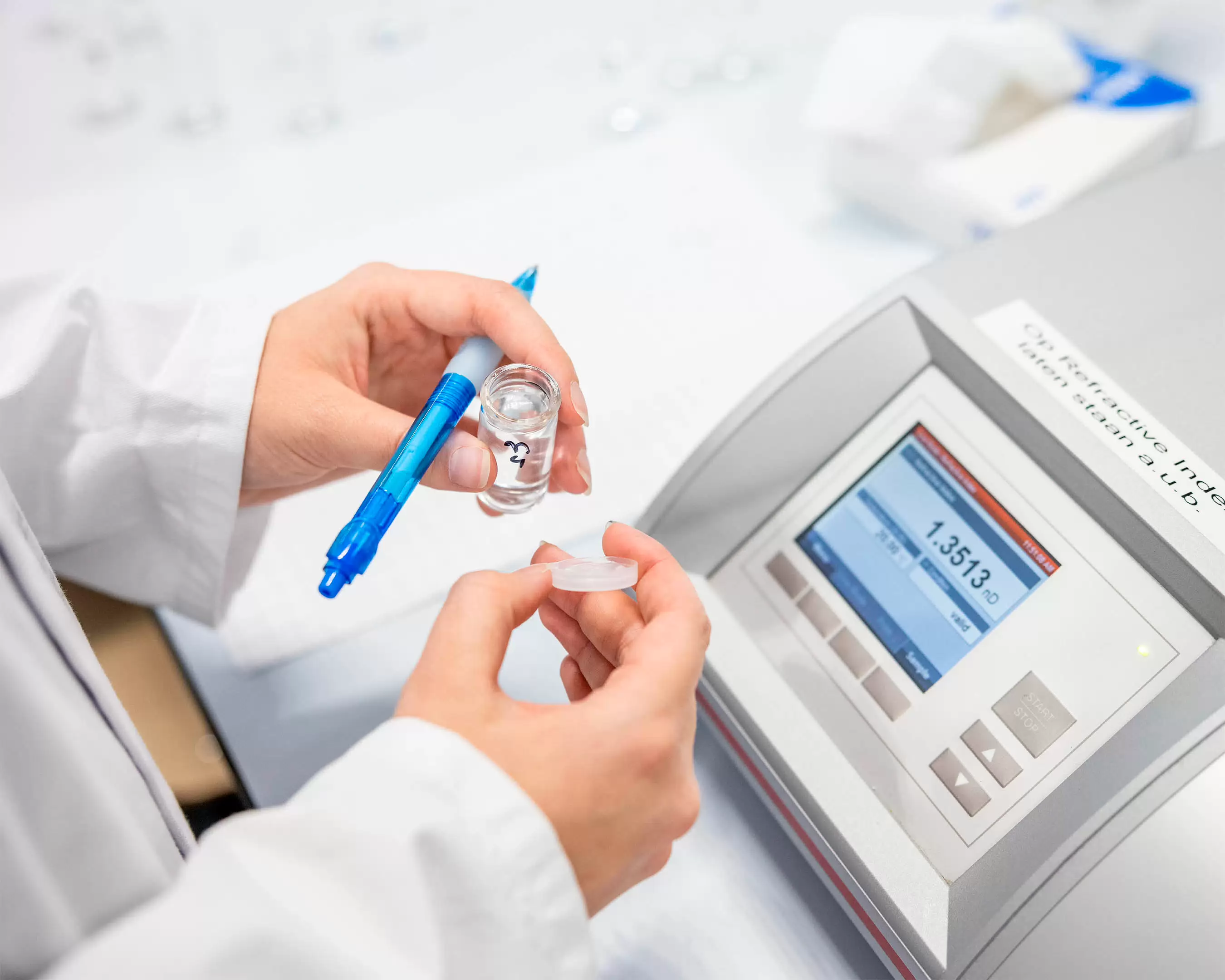
You complete your studies with a final-year project of ten months at a company, research institute or hospital of your choice.

Wondering what's to come after applying for this programme? Go over the entire admission process.
Please note! If you wish to apply for housing through Fontys, the application deadline is June 15.