


Smart Product Development with Additive Manufacturing
- Starts February
- English
- 30 ECTS
- 5 months
What if you could design a part today, print it tomorrow, on industrial equipment used by companies in aerospace, medical, and high-tech manufacturing?
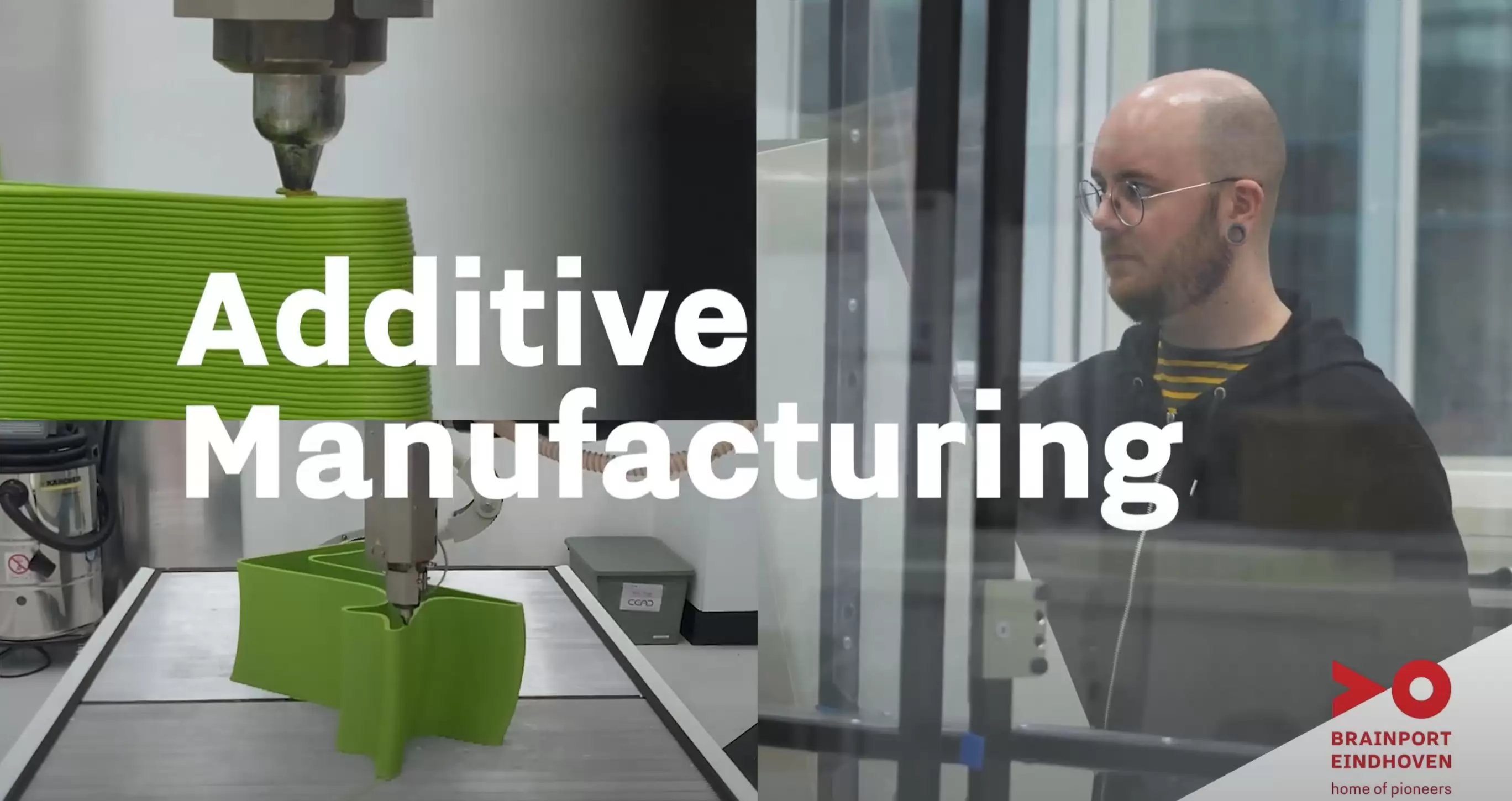
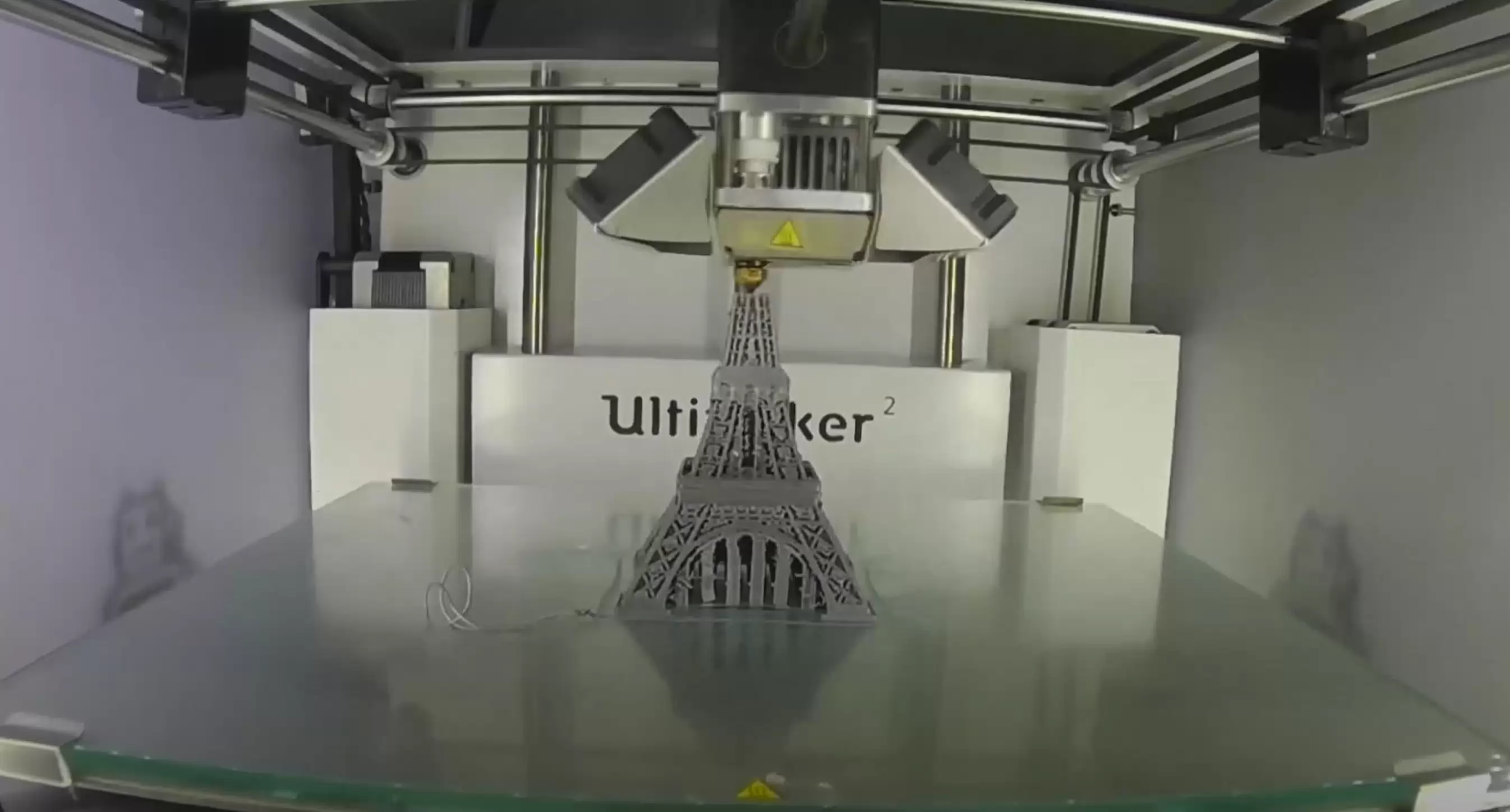
With Additive Manufacturing (AM), better known as 3D printing, the possibilities go far beyond what most people imagine. From ultra-light aerospace parts to life-changing medical implants, from high-tech robotics to sustainable automotive solutions. AM is transforming the way we design, build, and innovate. In this minor, you don't just learn about it. You apply it, at an industrial level.
About this minor
The Smart Product Development with Additive Manufacturing minor focuses on designing and creating products using 3D printing technologies at an industrial level. The possibilities go far beyond standard plastics:
- Metal printing: Creating strong, high-precision components for industries such as aerospace, medical, and tooling. Think custom implants, turbine blades, or molds with complex cooling channels.
- Large Scale Composite printing: Combining strength, size and speed for advanced applications in mobility, tooling, design and robotics. Imagine parts the size of a car printed in just hours, fully produced from recycled materials.
What makes this Smart Product Development? Smart means data-driven design choices, simulation and validation, deliberate material and process selection, and above all knowing when AM adds real industrial value, and when it doesn't. It's not about printing because you can. It's about making the right choices for industrial impact.
Why the minor SPDAM?
- Unlock the potential of AM: Explore the capabilities and challenges of AM and learn how to effectively apply it in industry.
- Industrial equipment, real impact. Work with industrial metal and composite AM systems, advanced software, and testing methods.
- Design smarter products. Design functional parts in mechanics, heat transfer, and fluid flow, while making smart choices in materials and processes.
- Know when to print. A key skill in this minor is strategic decision-making: understanding when AM adds value, and when a different manufacturing route is the better choice.
- Part of the Netherlands' largest AM ecosystem. Based at Brainport Industries Campus, you are surrounded by pioneering companies, researchers, and facilities at the cutting edge of manufacturing innovation.
More about the minor
This programme is all about creativity, engineering, and innovation. You develop technical expertise in design, simulation, and production while building project management and teamwork skills. The minor is strongly practice-oriented: you spend time in labs, workshops, and real-world projects, working with companies either already active in AM or strategically exploring its potential.
The minor is directly connected to Fontys Technology's lectorate System Design and Realization and the Additive Manufacturing research group. Students contribute to running research projects including Smaragd, Cenaco, and IAMM, which keeps the content current and relevant to the industry. Many students continue into internships, graduation projects, or student assistant roles within the AM field.
For who?
You don't need to be an AM expert or have experience with every printing technique. What you do need is curiosity, an analytical mindset, and a hands-on attitude.
This minor is a great fit if you come from:
- Mechanical Engineering
- Automotive
- Mechatronics
- Industrial Design
- Applied Sciences or Applied Physics
- Other technical, manufacturing-oriented programmes
Helpful interests and mindset:
- Analytical and design-oriented thinking
- Interested in how things are made and how to make them better
- Eager to work hands-on in labs and with industrial equipment
- Curious about industrial technology and its real-world applications
- Comfortable iterating based on data and test results
What you don't need:
- No prior experience with AM or 3D printing techniques
- No background in materials science or energy technology
- No research experience
What is important:
- Basic CAD skills
- Willingness to work analytically and to substantiate your design choices technically
How to apply for this minor
Sign up for a minor starting in September from February 1 until July 1 at the latest.
Sign up for a minor starting in February from July 1 until December 15 at the latest.
Please note
- Not every minor starts in February and in September. You can find the start dates at the top of the minor's page.
- To take part in the minor, you must have obtained your propaedeutic diploma or have permission from the examination board of your programme.
Agenda
Register here for one of our activities. This way you can be sure whether this is the minor for you! We hope to see you soon!
There are currently no activities planned. Would you still like to visit or do you have a question? Please contact us.
Practical information
All teaching and materials are in English.
All activities will take place in Eindhoven at the Brainport Industries Campus, with occasional practicals in the Nexus building.
The SPDAM minor is open to students who:
- Have completed their propaedeutic phase (propedeutisch examen), OR
- Have obtained permission from the examination board of their study programme
Students from Engineering, Applied Sciences, Applied Physics, and Industrial Design with an affinity for manufacturing and design are particularly well suited. Not sure if your programme qualifies? Contact the minor coordinator.
A minor regulation informs you about what you will learn, how the assessment is structured, and when you have completed the minor. As a student, you can derive rights from the minor regulation.
See all minor regulations