
Making the manufacturing industry more sustainable
The manufacturing industry faces a major challenge: becoming more sustainable without compromising on performance or cost. Within HTSM we work together with companies and researchers on smart solutions that can be applied directly in practice.
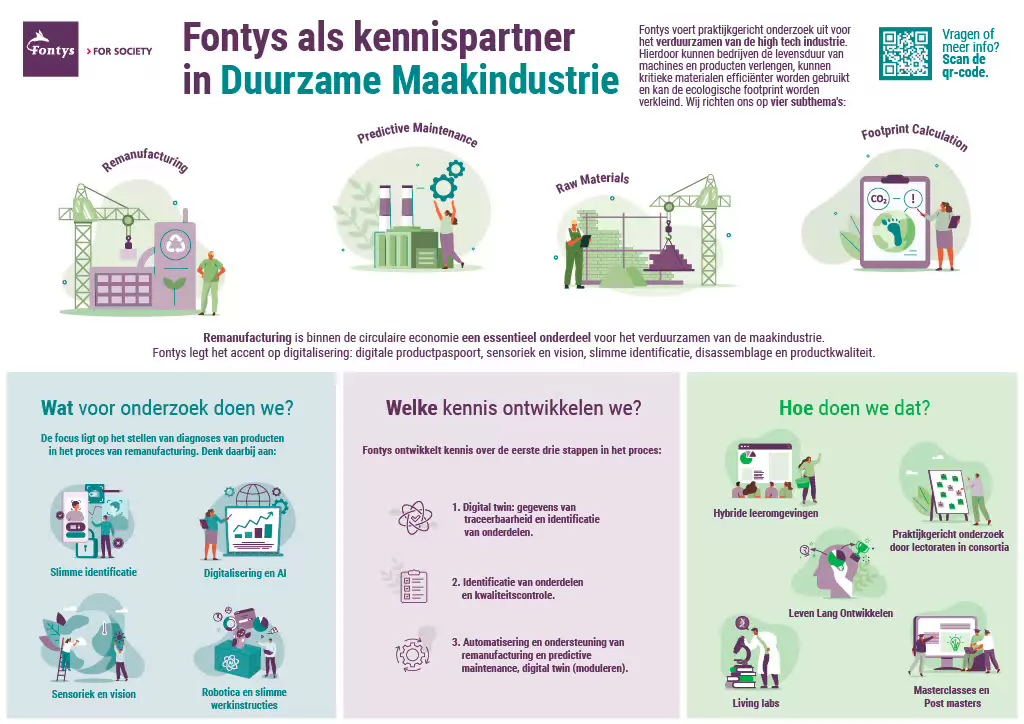
Material scarcity, stricter regulations (CSRD, EU-ESPR) and a changing supply chain are forcing manufacturers to make new choices. At the heart of this transition lies circularity: using machines, materials and products longer and more intelligently. Remanufacturing plays a key role in this. HTSM supports that transition with:
- practice-oriented research
- concrete guidance
- the involvement of students and researchers.
From an initial exploration to a multi-year research programme. Always programmatic, always focused on continuity.
What we work on
We focus on making production processes and supply chains smarter, more sustainable and more flexible. Circularity is central to this: from remanufacturing and material reuse to smart maintenance systems and data-driven production.
Our approach
We combine technological expertise, such as robotics, digital twinning, sensor technology and materials innovation, with business and organisational expertise. Examples of our research include:
- remanufacturing: material recognition, disassembly and extending the lifespan of machinery
- circular design, material use and the reuse of raw materials
- smart maintenance and predictive maintenance
- smart industry: digitalisation and data-driven production
- systems engineering
We address these questions in multidisciplinary teams that combine technical, organisational and economic perspectives. This way solutions not only work, but are also technically feasible and scalable in practice. Students from different programmes bring fresh insights and additional capacity.
Examples from practice
Within this theme we run a range of practice-oriented research projects, from short exploratory studies to multi-year collaborations. Research groups, companies and students work together on concrete innovations that contribute directly to more efficient, circular and future-proof production. A selection of studies and projects:
ETpathfinder Smart Skills Lab
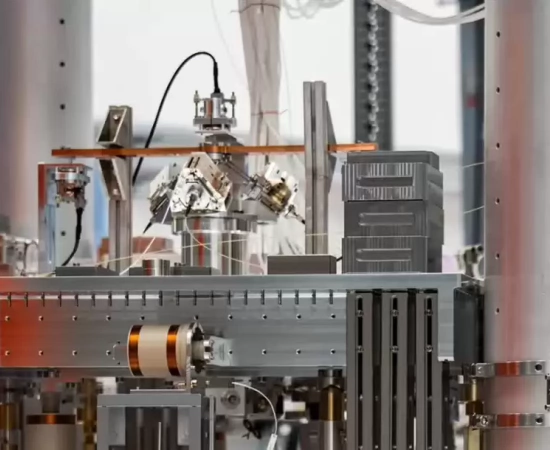
The technology behind the Einstein Telescope is highly advanced, but rarely reaches small and medium-sized enterprises (SMEs). This project translates that knowledge into practical training, giving manufacturers direct access to the latest techniques in areas such as photonics and precision maintenance.

NXTGEN Systems Engineering
Practice-oriented research into how SME manufacturers can adapt their business model to circular and sustainable production strategies.
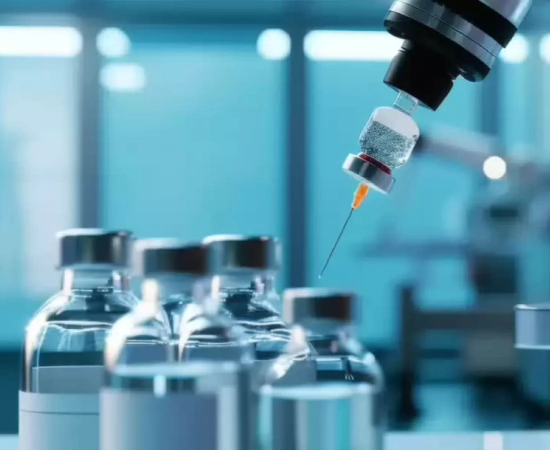
Big Chemistry Robotlab
The development of automated and self-learning laboratories in which chemical processes are carried out faster, more safely and more sustainably.
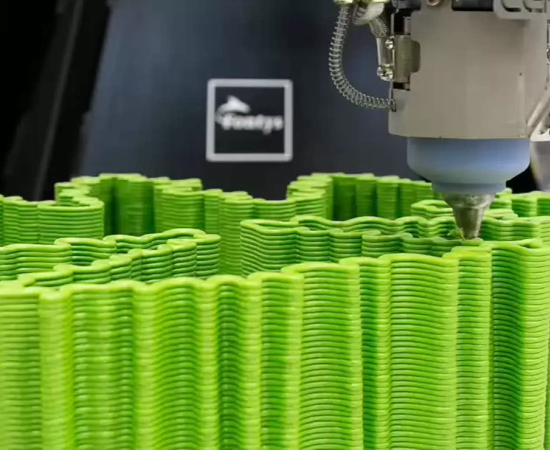
SMARAGD
Want to switch to more sustainable materials, but unsure where to start? SMARAGD helps SME manufacturers develop new materials faster and with less waste, using AI-driven tools and predictive models.
Results and publications
Practice-oriented research within the theme of sustainable manufacturing leads to concrete insights and applicable results for companies. Examples include:
- methods and tools for digitalisation and production automation
- insights into circular production processes and the reuse of materials
- frameworks for developing sustainable business models
- knowledge on system integration and maintenance strategies in complex production environments
Our results emerge from multidisciplinary teams of researchers, students and industry partners, and connect to our programmatic research lines. In this way we build sustainable innovation in the manufacturing industry step by step. Where possible, research results are shared through reports, publications, tools or educational modules.
In projects involving commercially sensitive information, insights are anonymised or translated into generic knowledge that can also be applied by other companies.
Working with partners
Within this theme we work with a broad network of partners in Brainport, Tilburg and Noord-Limburg:
- high-tech and manufacturing companies (SMEs and large enterprises)
- industry associations and regional networks
- knowledge institutions and educational partners (such as TU/e and TNO)
- government bodies and regional development agencies
Collaboration takes shape in projects, programmes and learning communities, often in field labs such as the Brainport Industries Campus and the Automotive Campus. In this way we connect technology, education and practice in solutions that can be applied directly by companies.
Ready to collaborate?
Do you have a question around sustainability, digitalisation or new business models in the manufacturing industry? We are happy to start with an exploratory conversation. Our theme contact, will quickly connect you with the right expertise, students and partners within our network.