
Energy transition
The energy transition calls for choices that are technically, organisationally and financially viable. But which investment pays off? Which technology fits your organisation? And how do you get started? HTSM helps companies and government bodies get a grip on these questions.
Grid congestion, fluctuating supply, decentralised storage. The energy transition brings complex technical and organisational challenges. HTSM combines practice-oriented research, good practices and a network of companies and knowledge institutions to support well-founded choices. Within this theme COE HTSM helps organisations make technological energy innovations practically applicable.
What we work on
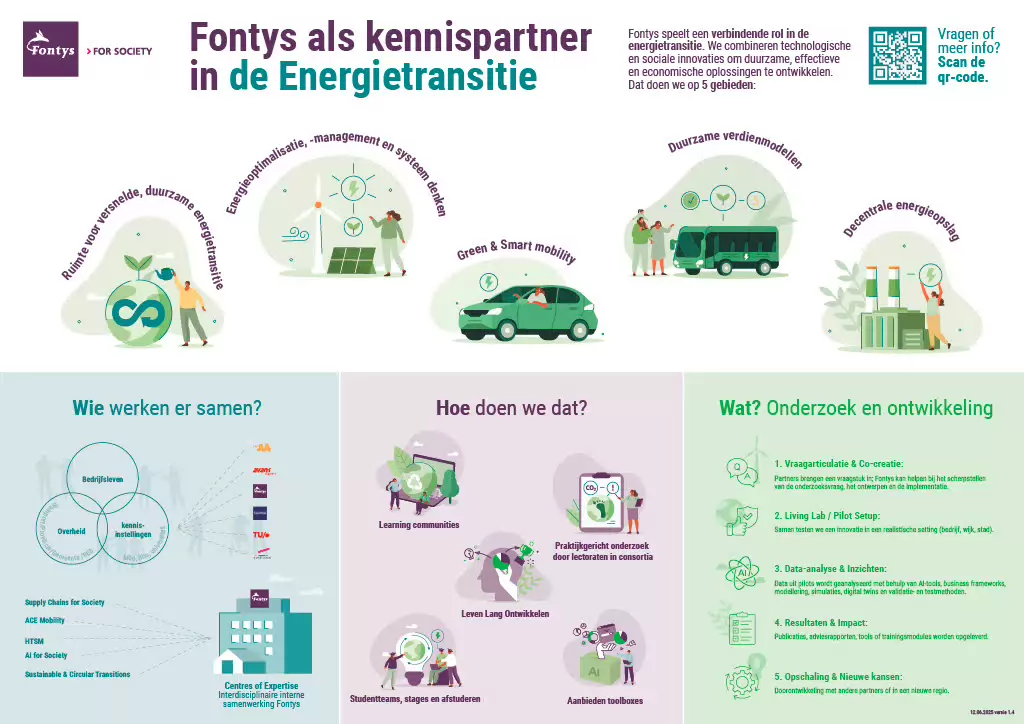
HTSM focuses on designing, modelling and optimising energy systems. We apply key enabling technologies: energy storage, sensor technology, digital technology and systems engineering. To develop energy solutions that work in practice.
Our approach
Systems thinking guides our work: we look not only at individual technology components, but at the energy system as a whole and the context in which it operates.
Our focus includes:
- modelling and optimising energy systems, energy hubs and transport, including automotive applications
- energy storage and energy conversion, such as battery systems and the production of hydrogen
- monitoring, forecasting and extending the lifespan of storage systems
- linking generation, storage and consumption in industrial and logistics environments
We combine technological expertise — systems engineering, digital twinning, power systems and energy storage — with insights from operations and supply chain thinking. This way we develop solutions that are both technically and economically viable.
We work closely with companies, government bodies, knowledge institutions and educational partners such as TU/e, TNO, other universities of applied sciences and vocational education institutions. Not theoretical research, but practice-oriented research that directly informs decision-making, design and implementation. Through masterclasses, workshops and living labs we share knowledge in a way that is also accessible to policymakers.
Examples from practice
Within this theme we run a range of research and innovation projects in which companies actively contribute and test in real-world settings. These projects show how research, education and practice come together in concrete applications. Examples include:
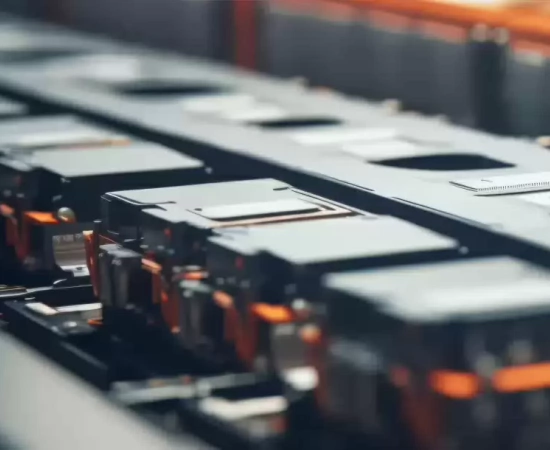
BatteryNL
A collaboration on battery technology, circularity and applications in mobility and industry.
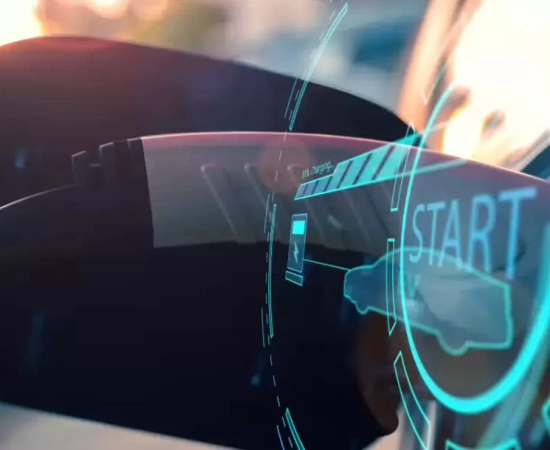
Sustainable Batteries (RAAK-Pro)
Practice-oriented research on monitoring and extending the lifespan of battery systems.
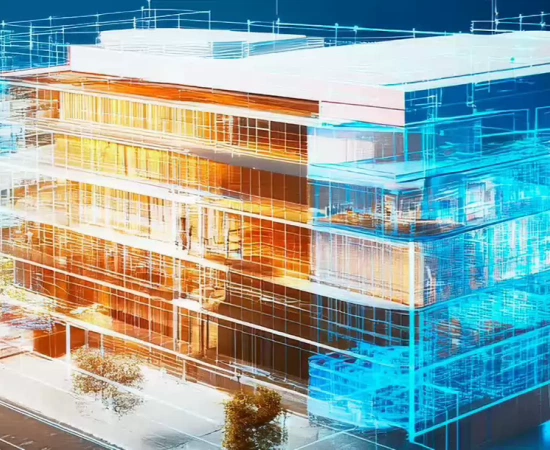
NEON: smart energy simulations for a low-carbon campus
How do you make a campus more sustainable based on data? NEON is developing an energy simulation model that allows different scenarios — from solar energy to EV charging infrastructure — to be calculated, so organisations can make well-founded choices in the energy transition.
Results and publications
Research within this theme leads to:
- practical models and tools for energy systems
- knowledge on battery behaviour, degradation and monitoring
- guidance for companies and policymakers
- publications, reports and educational modules
Where possible, we make results available to the professional field. In some cases results are part of confidential collaborations; in those instances, insights are anonymised or translated into generic knowledge.
Working with partners
Within the energy transition theme we work with:
- high-tech and manufacturing companies
- energy companies and grid operators
- provinces and government bodies
- knowledge institutions such as TU/e, TNO and other universities of applied sciences
- regional and national programmes such as GroenvermogenNL and the Dutch National Growth Fund (Nationaal Groeifonds)
Through programmes such as GroenvermogenNL we work on large-scale knowledge development around green hydrogen and sustainable energy conversion. Together we build sustainable networks and long-term programmes around energy and storage in Brainport and the wider South Netherlands region.
In this way collaborations emerge that go beyond a single project and contribute to a structural knowledge base for the energy transition. Our approach aligns with the action plans of the Dutch National Technology Strategy (NTS).
Ready to collaborate?
Do you have a question around energy storage, energy modelling or the design of energy systems? Are you looking for research capacity, would you like to collaborate in a project, or explore funding opportunities? We are happy to start with an exploratory conversation. A single point of contact, our theme contact for this topic, will connect you directly with the right knowledge and partners.